

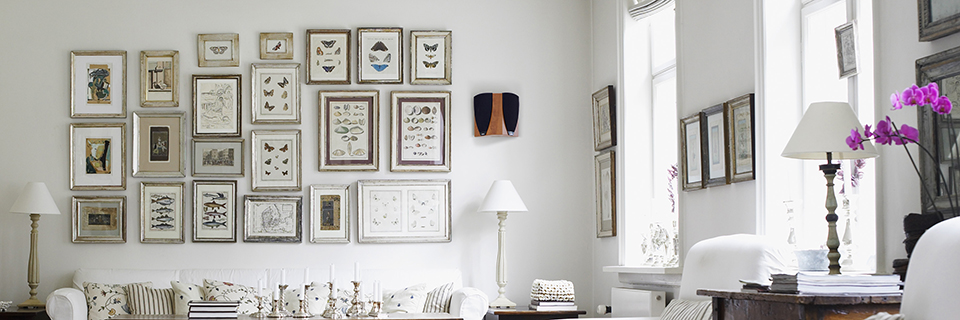
Mouldings
 Moulding
056 398 uah/l.m. Moulding
111 276 uah/l.m.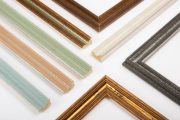 Moulding
1381 651 uah/l.m. Moulding
1530A 520 uah/l.m.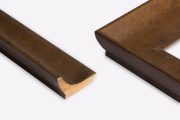 Багет1645
5 355 uah/l.m.
Багет1645
5 355 uah/l.m.
 Moulding
1835 743 uah/l.m. Moulding
2013M 347 uah/l.m. Багет2020
434 uah/l.m.
Багет2020
434 uah/l.m.
 Moulding
2030 459 uah/l.m.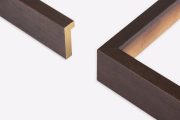 Moulding
2060 996 uah/l.m. Moulding
2124 1 006 – 1 664 uah/l.m. Moulding
2216 111 uah/l.m.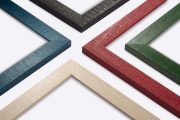 Moulding
2816 541 uah/l.m. Moulding
3014 371 uah/l.m. Moulding
3015 362 uah/l.m. Moulding
3020A 489 uah/l.m. Moulding
318 449 uah/l.m. Moulding
3346 562 uah/l.m. Moulding
3444 683 uah/l.m.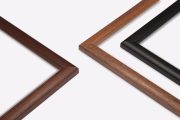 Moulding
40 630 uah/l.m. Moulding
4017 482 – 771 uah/l.m. Moulding
4222P 193 uah/l.m.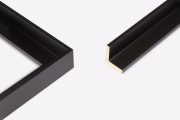 Moulding
4554 1 238 uah/l.m. Moulding
5021 1 259 uah/l.m.
Japan is minimalism, functionality, unity with nature, family and oneself. To understand the essence, try “living” on the floor for at least a couple of weeks. Sleep on a mat, have tea ceremonies on it, communicate with family and friends.
Comfortable? Then, in addition to the environment, be prepared to change your lifestyle and thinking. Hang a scroll with your life motto on the wall in thin mouldings of rice shades and start arranging your home according to the laws of Japanese philosophy.
To decorate the premises, use everything natural: wood veneer, balsa wood, rice paper, these materials help hide unevenness on the walls. A bamboo board is perfect for the floor. Basic tones: the freshness of water lily, the tenderness of cherry blossoms, the greenery of bamboo.
Furniture is only the most necessary, elegant designs on low legs. Instead of sofas and armchairs, there are ottomans and pillows placed directly on the floor. Interior partitions, screens made of reeds or light wood with traditional ornaments. Square or rectangular chandeliers, floor paper lanterns. Cotton or silk curtains for windows.
The main character of the Japanese home is the tokonoma – an alcove or niche. It was originally intended for scrolls with a podium for an incense burner. Now they make shelves for books, wooden figurines, tea sets, family photographs in thin mouldings of light wood shades.
The walls are decorated with emakinomo – images of Buddhist sutras, illustrations for novels and stories, often with calligraphic quotes, mottos, and poems. Monochrome scrolls are framed in beige mouldings, while colored scrolls are framed in brown or cherry frames. Profiles in red, white and black are often used in wall decor.
When choosing Japan, do not forget about the contrast between yin and yang. As the Japanese say, nothing is superfluous, but everything that is essential is in complete harmony with the moments of life.